Key findings
- 3% of videos had real captions. Across 17 channels, 4,048 videos and 2,156 hours, only 3% had a caption track that was uploaded or edited rather than generated automatically by YouTube.
- 11 of 17 channels had none at all. 16 of 17 were under 10%.
- New uploads weren't much better. In the 12 months before the scan, the 17 channels posted 570 videos (302 hours). 7% had real captions.
- That's about 34 videos and 18 hours a district a year. This is the workload that keeps coming after the deadline, and it's what has to be captioned as it's posted.
- Livestream replays and board meetings dominate. 1,030 of the 4,048 videos were livestream replays, and 1,028 of those had no real captions. 848 titles mentioned a board, meeting, council or session.
- No video mentioned audio description. Not one title or description referred to an audio-described version.
- One district was clearly starting. Lincoln Public Schools (NE) captioned 37% of its uploads in the last year, up from 5% across its whole channel.
What we found
Video is where public organizations are furthest behind.
In October 2026 we scanned the YouTube channels of 20 randomly chosen US school districts: 4,048 videos and 2,156 hours, mostly livestream replays, board meetings and sports.
- of videos had accurate captions
- 3%
- of videos had accurate captions
- of the last year's uploads were captioned
- 7%
- of the last year's uploads were captioned
- channels had no accurate captions at all
- 11/17
- channels had no accurate captions at all
- videos mentioned audio description
- 0
- videos mentioned audio description
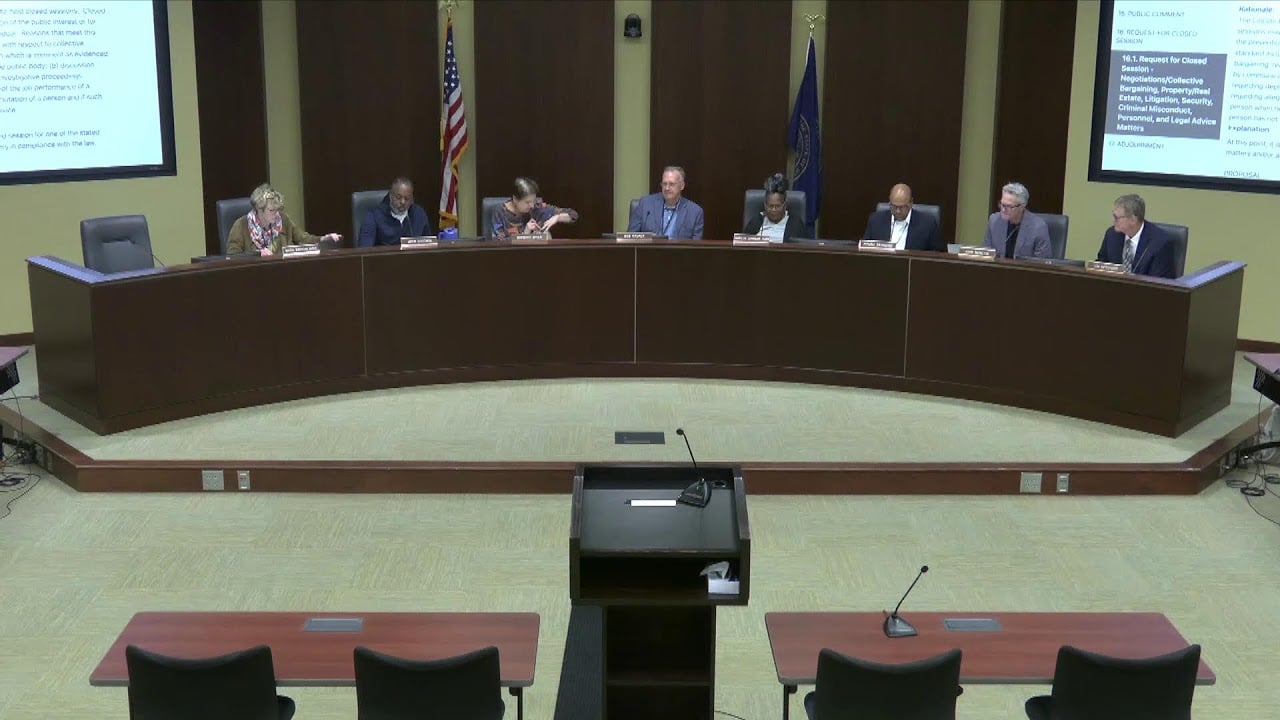
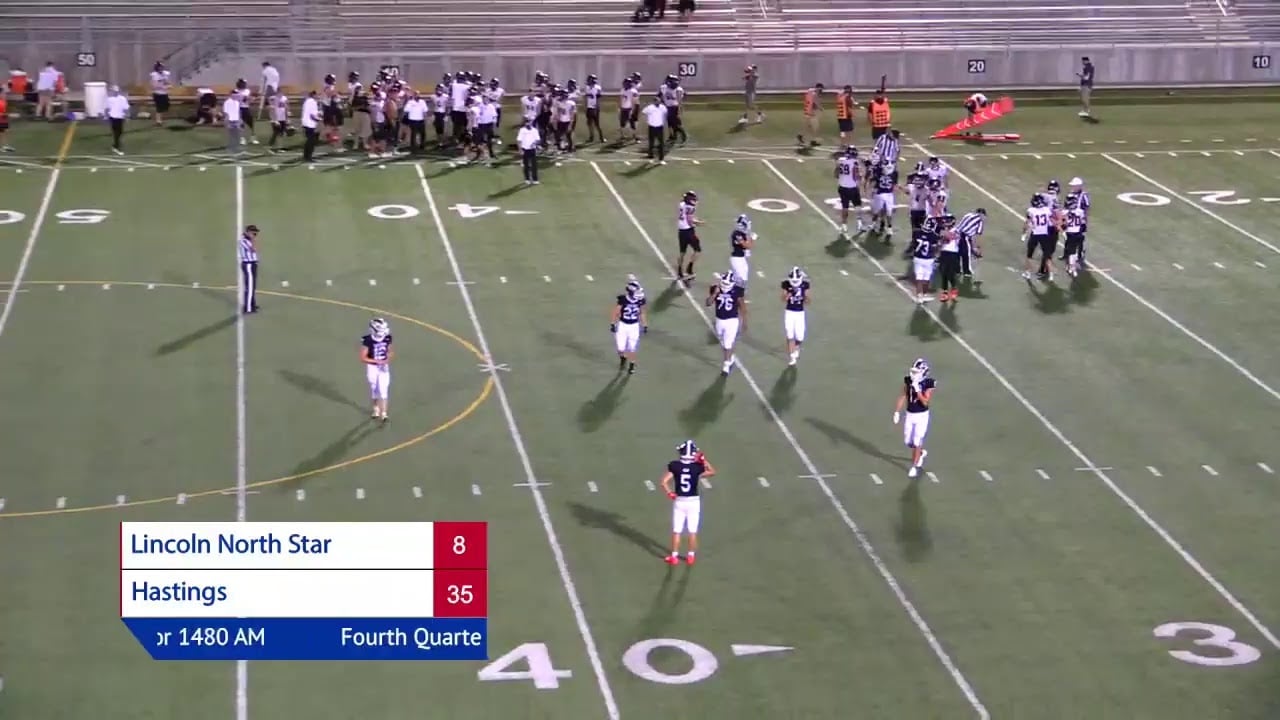
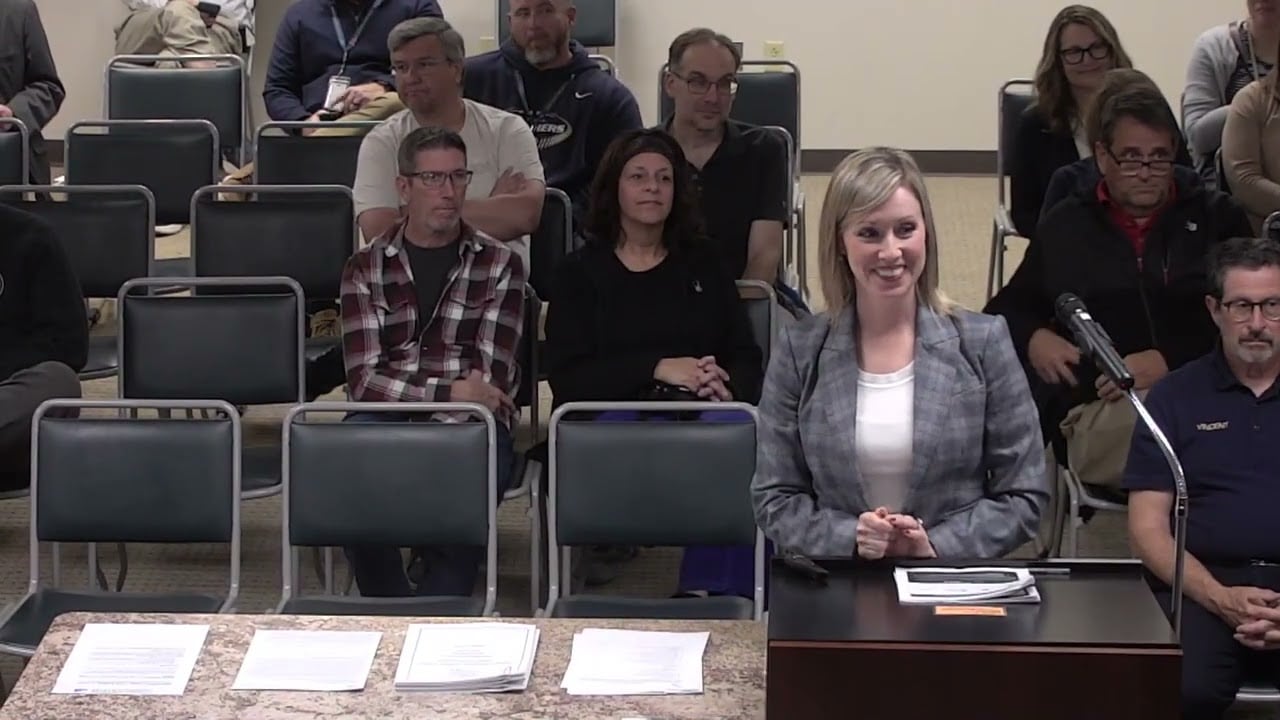
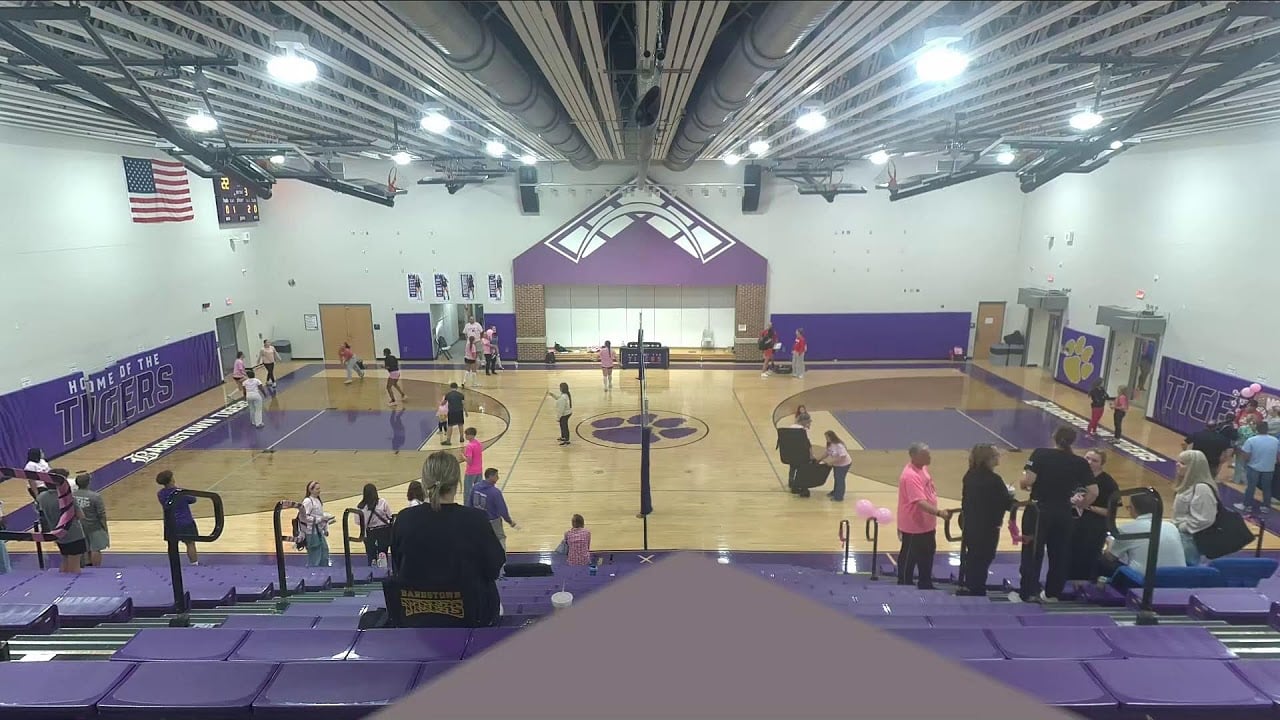

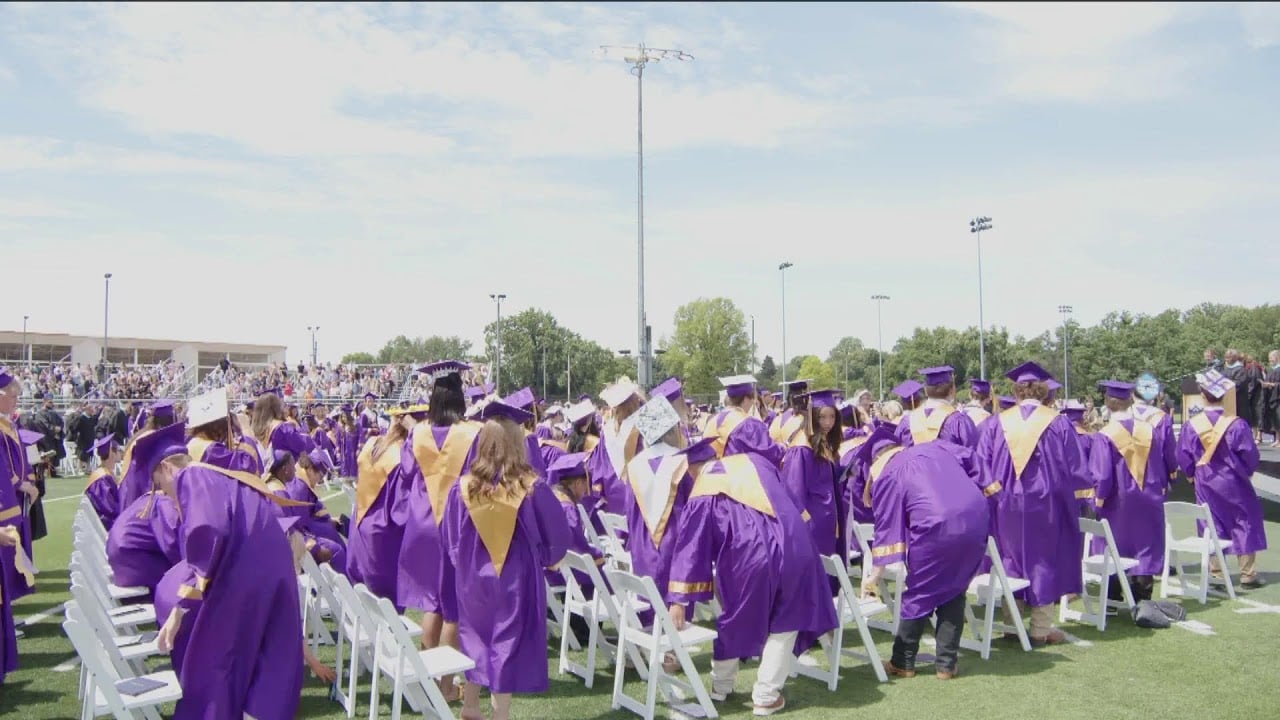
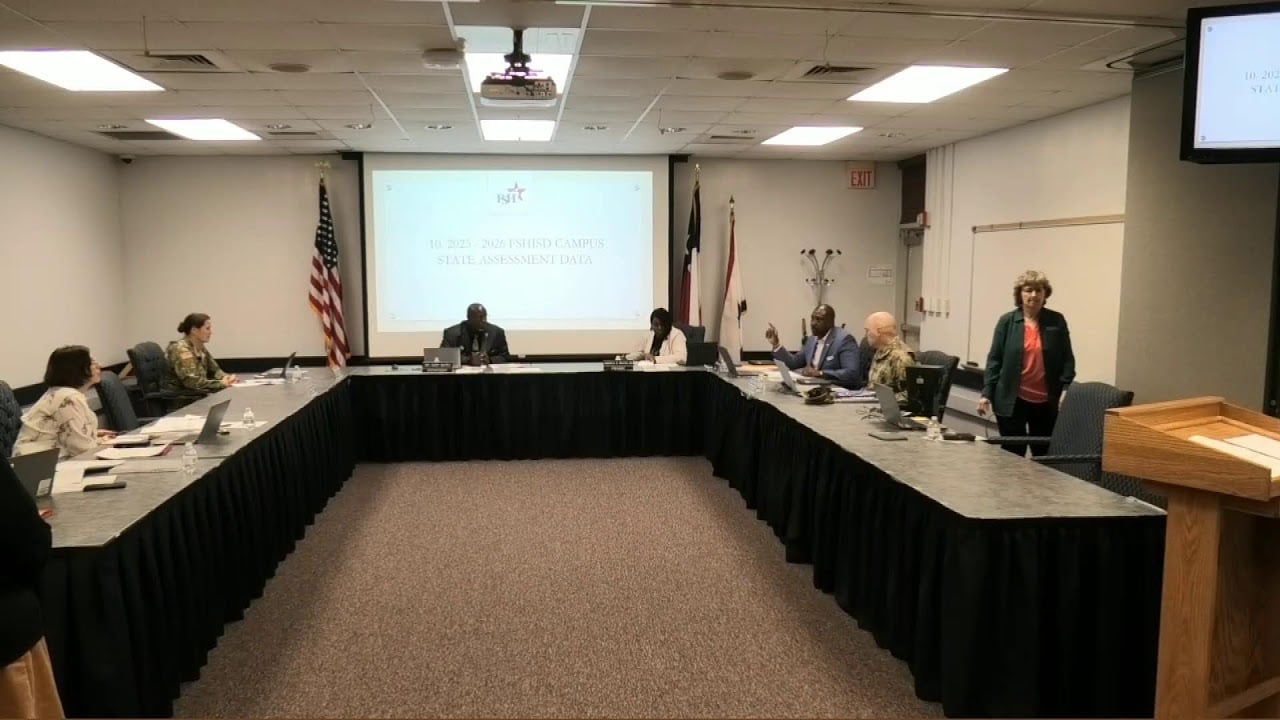

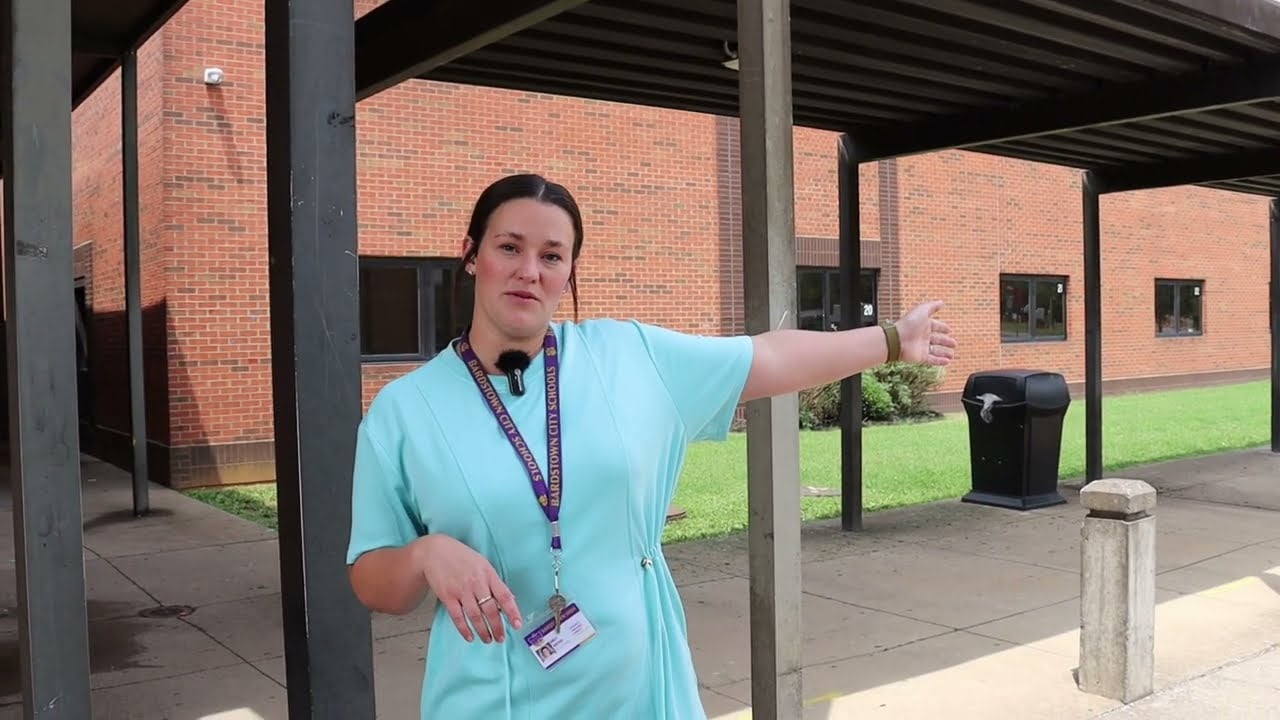
Thumbnails of recent uploads from the district channels we scanned, almost all without captions.
A typical district posted about 34 videos (18 hours) in the last year. After the deadline, every new upload needs accurate captions, and audio description where the picture shows something the soundtrack doesn't say. See how your channel compares
Results by district
| District | State | Students | Videos | Hours | Real captions | Uploads, last 12 months | Of those, captioned | Livestream replays (uncaptioned) |
|---|---|---|---|---|---|---|---|---|
| Saddleback Valley Unified | CA | 23,711 | 199 | 4 | 8% | 108 | 1% | 0 (0) |
| Lowell | MA | 14,228 | 235 | 48 | 0% | 25 | 0% | 5 (5) |
| Denton ISD | TX | 32,521 | 603 | 114 | 7% | 48 | 2% | 29 (29) |
| York 04 (Fort Mill) | SC | 18,191 | 307 | 247 | 0% | 58 | 0% | 131 (131) |
| Coweta County | GA | 23,200 | 291 | 135 | 0% | 44 | 0% | 48 (48) |
| Lincoln Public Schools | NE | 41,850 | 1,319 | 647 | 5% | 101 | 37% | 395 (393) |
| Kanawha County Schools | WV | 23,864 | 57 | 3 | 0% | 5 | 0% | 2 (2) |
| Bardstown Independent | KY | 2,716 | 480 | 612 | 0% | 29 | 0% | 267 (267) |
| West Carrollton City | OH | 3,353 | 61 | 43 | 0% | 46 | 0% | 0 (0) |
| Redmond SD 2J | OR | 7,081 | 58 | 16 | 0% | 21 | 0% | 6 (6) |
| Crown Point Community School Corp. | IN | 9,064 | 249 | 95 | 2% | 48 | 0% | 76 (76) |
| Franklin Regional SD | PA | 3,372 | 120 | 135 | 1% | 11 | 0% | 33 (33) |
| Sabine Parish | LA | 4,141 | 4 | 3 | 0% | 2 | 0% | 4 (4) |
| Haleyville City | AL | 1,644 | 1 | 0 | 0% | 0 | – | 0 (0) |
| Lopatcong Township School District | NJ | 738 | 11 | 0 | 0% | 8 | 0% | 2 (2) |
| Fort Sam Houston ISD | TX | 1,627 | 49 | 53 | 0% | 16 | 0% | 32 (32) |
| Lamar School District Re-2 | CO | 1,522 | 4 | 0 | 25% | 0 | – | 0 (0) |
| Canby SD 86 | OR | 4,245 | No channel found | |||||
| Tanque Verde Unified | AZ | 2,245 | No channel found | |||||
| Solvay Union Free School District | NY | 1,374 | No channel found | |||||
| All 17 channels | 4,048 | 2,156 | 3% | 570 | 7% | 1,030 (1,028) |
How we did it
- 1
A random sample of districts
We drew 20 districts at random (seed 21) from the “regular” school districts in the NCES Common Core of Data for 2022, using the Urban Institute's Education Data API. The sample had 7 districts with 10,000 or more students, 7 with 2,500 to 10,000, and 6 with 500 to 2,500. We didn't pick districts we expected to do well or badly.
- 2
Finding each channel
We searched YouTube for each district's name, city and state, then checked the candidates by hand. We found channels for 17 of the 20. Where a district had more than one channel, we scanned the main one; Denton ISD also has a separate board-meeting channel that we didn't scan.
- 3
Every video on the channel
For each channel, we listed every upload and read each video's details from the YouTube Data API: date, length, whether it was a livestream, and its caption flag. The scan used about 3,400 API quota units in all.
- 4
What counts as a real caption
The API's contentDetails.caption field is true only when a video has a caption track that was uploaded or edited, not just YouTube's automatic (ASR) track. We confirmed this on 6 videos by checking their caption tracks. We counted a video as captioned when this flag was true.
- 5
Categories and audio description
Livestream replays come from the API's live-streaming details. Board meetings and sports are keyword matches on titles (for example “board”, “meeting”, “football”, “vs”), so they're approximate and can overlap. The API doesn't expose audio description, so we searched titles and descriptions for “audio description” or “audio described”.
What it means for districts
Most districts haven't started on video. That isn't surprising: until the DOJ rule in April 2024, nothing set a standard or a date. But it means most communications offices are about to face two jobs at once, and it helps to separate them.
- New uploads are the job that matters most. Video posted after your deadline is clearly in scope. In our sample that's about 18 hours a year per district, mostly board meetings and games. It's a steady, predictable workload, and the easiest to fix by changing how video gets posted.
- The backlog is mostly a decision, not a project. Older video embedded on current web pages is in scope. Older video that only lives on YouTube is probably exempt as a preexisting social media post, but that's unclear. Properly archived video is exempt. Anything someone asks for must be made accessible. Many districts will caption what's current, archive or remove the rest, and fix the remainder on request. See the archived video exception.
- Board meetings and livestreams are the center of it. A quarter of all the videos were livestream replays, and almost none were captioned. A replay is recorded video, so it needs accurate captions once the stream ends. See do board meeting videos need captions? and livestream captions.
- Audio description is the gap nobody has looked at. Game streams, highlight reels with music and slides that aren't read aloud often need it under WCAG 1.2.5. None of the 4,048 videos mentioned it. See when audio description is required.
- YouTube's automatic captions are why the channels look captioned. Nearly every video shows a CC button, but an automatic track doesn't meet WCAG on its own. See are YouTube auto-captions ADA compliant?
This pattern isn't new. In findings sent to UC Berkeley on August 30, 2016, the Justice Department said that of more than 500 videos it reviewed on Berkeley's YouTube channels, only about 11.7% had manual captions; the rest relied on automatic captions or had none. More on that case in what OCR and DOJ have required.
Limitations
- It's a small sample. 20 districts, 17 channels. The overall rate is driven by the bigger channels, especially Lincoln's 1,319 videos. Treat the numbers as a snapshot, not a national estimate.
- One channel per district. Some districts post on school, athletics or board-meeting channels we didn't scan, or host video on their own sites or other services.
- Real captions aren't necessarily accurate captions. The API flag tells us a track was uploaded or edited, not that it's correct. If anything, 3% overstates how many videos meet WCAG.
- Some no-shows may be misses. We didn't find channels for 3 districts. They may have none, or one we couldn't identify.
- Categories are keyword guesses. Board-meeting and sports counts come from titles and can overlap or miss videos.
- Audio description is undercounted by design. A district could provide it without saying so in the title or description; we'd miss that.
How to check your own channel
You can repeat this for your district in a minute. Our free YouTube channel scan runs the same checks on every video and lists the ones without a real caption track, with livestream replays and likely audio description needs flagged. The website video check finds video embedded on your site, which is the part most clearly in scope.
To check one video by hand, open it in YouTube Studio and go to Subtitles. A track labelled “(Automatic)” is YouTube's; anything else was uploaded or edited.
Sources
- NCES Common Core of Data (CCD)
- Urban Institute, Education Data Portal
- YouTube Data API, Videos resource (contentDetails.caption)
- United States v. Regents of the University of California, complaint (N.D. Cal., Nov. 21, 2022)
- DOJ final rule, 89 FR 31320 (April 24, 2024)
This is a reading of the rules, not legal advice. Something out of date? Tell us and we'll fix it.